
What Research About Can Teach You

The Enduring Allure and Evolving Landscape of Modular Homes: A Study in Efficiency, Sustainability, and Design Innovation
Modular homes, often unfairly relegated to the fringes of the residential construction industry, represent a compelling alternative to traditional stick-built construction, offering a unique blend of efficiency, sustainability potential, and evolving design possibilities. While misconceptions persist regarding their quality and aesthetic limitations, a deeper examination reveals a dynamic and increasingly sophisticated sector poised to disrupt the housing market and address contemporary challenges related to affordability, environmental impact, and customization. This essay will delve into the historical context of modular construction, explore its inherent advantages and limitations, and analyze the future prospects of this increasingly relevant building methodology.
The concept of modular construction, where building components are manufactured in a controlled factory environment and then transported to the site for assembly, is far from a recent invention. In fact, prefabrication has a rich history dating back to the 17th century, with portable structures being used for military housing and colonial outposts. During the Industrial Revolution, the concept gained further traction, fueled by the desire for mass-produced, affordable housing. The Sears Modern Homes program in the early 20th century, where thousands of mail-order houses were shipped across the United States, serves as a powerful testament to the potential of prefabrication. However, these early iterations often suffered from limitations in design, material quality, and a perceived lack of permanence, contributing to a lingering stigma that continues to shadow the modern modular home industry.
Today, modular construction has undergone a significant transformation, leveraging advancements in technology, materials, and design principles to overcome many of these historical limitations. The core advantage of modular construction lies in its inherent efficiency. By shifting the construction process from the often unpredictable and weather-dependent conditions of a building site to the controlled environment of a factory, manufacturers can significantly reduce construction time, material waste, and labor costs. This efficiency translates into faster project completion, minimizing disruption to the surrounding community and allowing homeowners to move into their new residences sooner. The controlled environment also ensures greater precision in construction, leading to tighter tolerances and improved energy efficiency compared to many stick-built homes.
Furthermore, the controlled factory setting allows for stringent quality control measures. Each module undergoes rigorous inspection throughout the manufacturing process, ensuring adherence to building codes and design specifications. This proactive approach minimizes defects and reduces the need for costly on-site corrections. The use of advanced technologies such as computer-aided design (CAD) and computer-aided manufacturing (CAM) further enhances precision and consistency, resulting in a more robust and durable final product. Contrary to the misconception that modular homes are flimsy or temporary, they are often engineered to withstand transportation stresses and are built to meet or exceed local building codes, frequently surpassing the standards of traditional construction.
Beyond efficiency and quality control, modular construction offers compelling advantages in terms of sustainability. The minimization of material waste is a significant environmental benefit.
In conclusion, modular homes are undergoing a renaissance, shedding their historical limitations and embracing innovation to offer a compelling alternative to traditional construction. Their inherent efficiency, sustainability potential, and evolving design capabilities position them as a key player in addressing the challenges of affordable housing, environmental responsibility, and customization. While challenges remain in terms of perception, logistics, and regulatory frameworks, ongoing advancements in technology, design, and advocacy are paving the way for a brighter future for modular construction, promising a more efficient, sustainable, and accessible housing market for generations to come. The key lies in recognizing modular homes not as a compromise, but as a sophisticated and forward-thinking solution to the complex demands of the modern built environment.

If You Think You Understand , Then This Might Change Your Mind
Why Aren’t As Bad As You Think

What I Can Teach You About

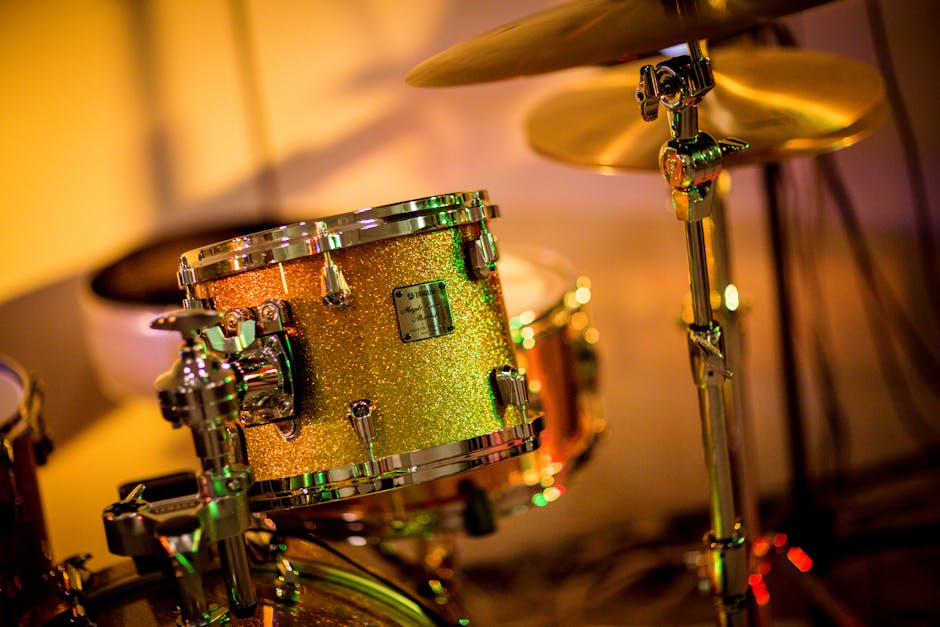
The Art of Soundproofing: A Guide to Creating the Perfect Drum Booth

When it comes to recording music, sound quality is paramount. One of the most critical components of achieving high-quality sound is the drum booth. A well-designed drum booth can make all the difference in capturing the perfect drum sound, while a poorly designed one can lead to a muddy, unprofessional mix. In this article, we’ll explore the importance of soundproofing and provide a comprehensive guide to creating the perfect drum booth.

First and foremost, it’s essential to understand why soundproofing is so crucial. When drums are played, they produce a significant amount of sound energy, which can easily escape the recording space and contaminate the surrounding environment. This can lead to unwanted bleed, echo, and reverberation, making it difficult to achieve a clean, crisp sound. By soundproofing the drum booth, you can contain the sound energy and create a more controlled environment, allowing you to capture the perfect drum sound.

So, how do you go about creating the perfect drum booth? The first step is to choose the right materials. You’ll want to use materials that are dense, heavy, and have a high mass per unit area. This will help to absorb and dissipate sound energy, rather than allowing it to bounce around the room. Some popular options include acoustic panels, sound-absorbing foam, and mass-loaded vinyl.

Once you’ve chosen your materials, it’s time to start building. The key is to create a sealed environment that is completely airtight. This means sealing all gaps and cracks, and using a combination of caulk, sealant, and weatherstripping to ensure that no sound can escape. You’ll also want to use a door that is specifically designed for soundproofing, such as a solid-core door or a door with a soundproofing seal.

In addition to the materials and construction, the design of the drum booth is also critical. You’ll want to create a space that is compact and efficient, with minimal corners and edges that can create sound reflections. A circular or oval shape is often preferred, as it allows for a more even distribution of sound energy. You’ll also want to consider the height of the booth, as a taller booth can help to reduce low-end frequency buildup.

Another important aspect of drum booth design is the placement of the drums. You’ll want to position the drums in a way that allows for optimal sound quality, while also minimizing bleed and echo. This may involve using drum isolation pads or mounting the drums on a floating floor. You’ll also want to consider the placement of the microphones, as this can greatly impact the overall sound quality.

In addition to the physical design of the drum booth, there are also several other factors to consider. For example, you’ll want to choose the right type of drumheads and drumsticks, as these can greatly impact the sound quality. You’ll also want to consider the type of drumming style and the specific sound you’re trying to achieve. By taking the time to carefully plan and design your drum booth, you can create a space that is tailored to your specific needs and preferences.

Creating a drum booth is a complex process that requires careful planning and attention to detail. However, with the right materials, design, and construction, you can create a space that is perfect for recording drums. Whether you’re a professional musician or a hobbyist, a well-designed drum booth can help you to achieve high-quality sound and take your music to the next level.

In conclusion, soundproofing is a critical component of creating the perfect drum booth. By choosing the right materials, designing a compact and efficient space, and carefully planning the placement of the drums and microphones, you can create a space that is tailored to your specific needs and preferences. Whether you’re recording in a professional studio or a home setup, a well-designed drum booth can help you to achieve high-quality sound and take your music to the next level.

News For This Month:

How I Became An Expert on

How I Became An Expert on

Finding a Trusted Tax Preparation Service

When tax season rolls around, many individuals and businesses find themselves overwhelmed with the complexities of filing their taxes. With constantly changing tax laws and potential deductions to consider, it’s essential to have a reliable and trusted tax preparation service on your side. Such services not only simplify the filing process but also help maximize your potential tax returns while keeping you compliant with legal obligations.

One of the first steps in selecting a trusted tax preparation service is to conduct thorough research. Look for firms that have been in business for several years and have a solid reputation. Online reviews, testimonials, and word-of-mouth referrals can provide valuable insights into the quality of service a firm offers. Furthermore, check for any certifications or licenses, as well as their membership in reputable professional organizations, which can serve as a mark of credibility.

Another significant consideration is the qualifications and experience of the preparers themselves. Make sure you are working with certified professionals, such as Certified Public Accountants (CPAs) or Enrolled Agents (EAs), who possess the required knowledge and expertise in tax law. A trusted tax preparer should be able to explain tax implications clearly and answer any questions you may have, helping you to understand the process every step of the way.

Additionally, it’s crucial to discuss fees upfront. Trusted tax preparation services are transparent about their pricing models, whether they charge a flat fee, hourly rates, or a percentage of your refund. Understanding the costs involved will help you avoid any unpleasant surprises at the end of the tax preparation process. Moreover, consider whether the firm offers any form of guarantee regarding your tax returns; reputable services often stand behind their work and offer assistance in the case of an audit.

In conclusion, finding a trusted tax preparation service can greatly reduce the stress associated with tax season. By conducting thorough research, verifying the qualifications of tax professionals, and engaging in transparent discussions about costs, you can ensure that your taxes are handled effectively and lawfully. Investing time in selecting the right service will not only provide peace of mind but might also result in a higher refund and a smoother tax experience overall.

On : My Thoughts Explained

What You Should Know About This Year

If You Think You Understand , Then Read This

The Evolution of Food Processing: How Stainless Steel Auger Conveyors Revolutionize the Industry

The food processing industry has undergone significant transformations over the years, driven by advances in technology, changing consumer preferences, and the need for increased efficiency and productivity. One of the key innovations that has contributed to this evolution is the development of stainless steel auger conveyors. These conveyors have revolutionized the way food products are processed, packaged, and distributed, offering numerous benefits that have far-reaching implications for the industry.

In the past, food processing was a labor-intensive and time-consuming process that relied heavily on manual labor. The introduction of mechanical conveyors in the early 20th century marked a significant turning point, enabling the efficient movement of food products through various stages of processing. However, these early conveyors were often made of materials that were prone to corrosion, contamination, and wear and tear, leading to downtime, maintenance issues, and product losses.

The advent of stainless steel auger conveyors has addressed these limitations, providing a durable, hygienic, and efficient solution for food processing. Stainless steel is a highly resistant material that can withstand the rigors of food processing, including exposure to high temperatures, chemicals, and moisture. This means that stainless steel auger conveyors can be used in a wide range of applications, from meat processing to dairy production, without compromising on quality or safety.

One of the primary benefits of stainless steel auger conveyors is their ability to maintain a high level of hygiene. The smooth, non-porous surface of stainless steel makes it easy to clean and sanitize, reducing the risk of contamination and ensuring that products are processed in a safe and controlled environment. This is particularly important in the food industry, where even minor lapses in hygiene can have serious consequences for public health.

Stainless steel auger conveyors also offer improved efficiency and productivity, enabling food processors to increase their output while reducing labor costs. The conveyors’ ability to handle a wide range of products, from small to large, and their flexibility in terms of design and configuration, make them an ideal solution for food processing operations of all sizes. Additionally, the conveyors’ low maintenance requirements and long lifespan reduce downtime and minimize the need for costly repairs.

Another significant advantage of stainless steel auger conveyors is their ability to handle a wide range of products, including fragile and delicate items. The conveyors’ gentle handling and controlled movement ensure that products are protected from damage, bruising, and breakage, while their adjustable speed and direction enable processors to tailor the conveying process to specific product requirements.

In addition to their technical benefits, stainless steel auger conveyors also offer significant environmental advantages. By reducing the need for manual labor and minimizing the risk of contamination, these conveyors help to reduce waste and minimize the environmental impact of food processing. Furthermore, the conveyors’ energy efficiency and low maintenance requirements reduce the industry’s carbon footprint and minimize the need for costly repairs.

The use of stainless steel auger conveyors has also led to significant improvements in food safety and quality. The conveyors’ ability to maintain a high level of hygiene and their gentle handling of products reduce the risk of contamination and ensure that products are processed in a safe and controlled environment. This, in turn, has led to increased consumer confidence and trust in the food industry, as well as improved product quality and shelf life.

In conclusion, the development of stainless steel auger conveyors has revolutionized the food processing industry, offering numerous benefits that have far-reaching implications for the industry. From improved hygiene and efficiency to reduced waste and environmental impact, these conveyors have transformed the way food products are processed, packaged, and distributed. As the industry continues to evolve and adapt to changing consumer preferences and technological advancements, the role of stainless steel auger conveyors is likely to remain a vital component of the food processing landscape.

Interesting Research on – What No One Ever Told You

Tips for The Average Joe