The Ultimate Guide to

Paving Experts: Your Guide to Quality Pavement Solutions

In the world of construction and home improvement, paving is a critical component that enhances both functionality and aesthetics. Whether you’re looking to install a new driveway, patio, or walkway, finding the right paving experts is essential. These professionals bring a wealth of knowledge and experience, ensuring that your project turns out exactly as envisioned. In this blog, we’ll explore the various aspects of hiring paving experts and how they can help transform your outdoor spaces.

One of the primary advantages of hiring paving experts is their proficiency in different paving materials and techniques. From asphalt and concrete to natural stone and brick, these professionals understand the benefits and drawbacks of each option. They can guide you in selecting the best material for your specific needs, taking into consideration factors such as durability, climate, and style. Their expertise ensures that your pavement will not only look great but will also stand the test of time.

In addition to material selection, paving experts possess the skills necessary for proper installation. The success of any paving project hinges on meticulous preparation and execution. Experienced professionals understand the importance of a solid foundation, drainage considerations, and the correct application techniques. Working with paving experts means that you can rest assured that your project will be completed efficiently and to high standards, minimizing the chances of problems in the future, such as cracking or settling.

Another crucial aspect of hiring paving experts is their ability to provide ongoing maintenance and repairs. Paved surfaces, like any other component of your property, require upkeep to maintain their appearance and functionality. Professionals in the paving industry can offer maintenance services, such as sealing and resurfacing, which can prolong the life of your pavement and prevent costly repairs down the line. Their expertise allows them to identify potential issues early, ensuring your investment remains in excellent condition.

Lastly, when you work with paving experts, you gain access to their extensive network of suppliers and resources, which can lead to better product availability and potentially lower costs than if you were to source materials on your own. This network can also provide you with unique options that may not be widely available, allowing you to customize your project to fit your vision precisely.

In conclusion, enlisting the help of paving experts is a wise decision for anyone considering a paving project. Their knowledge of materials, installation techniques, maintenance, and access to resources ensures that your project will be carried out effectively, resulting in a durable and attractive paved surface that enhances your property’s appeal. Don’t hesitate to reach out to professionals in your area to discuss your paving needs and get started on transforming your outdoor spaces today.

Interesting Research on – What You Didn’t Know

The Art of Mastering

Finding Ways To Keep Up With

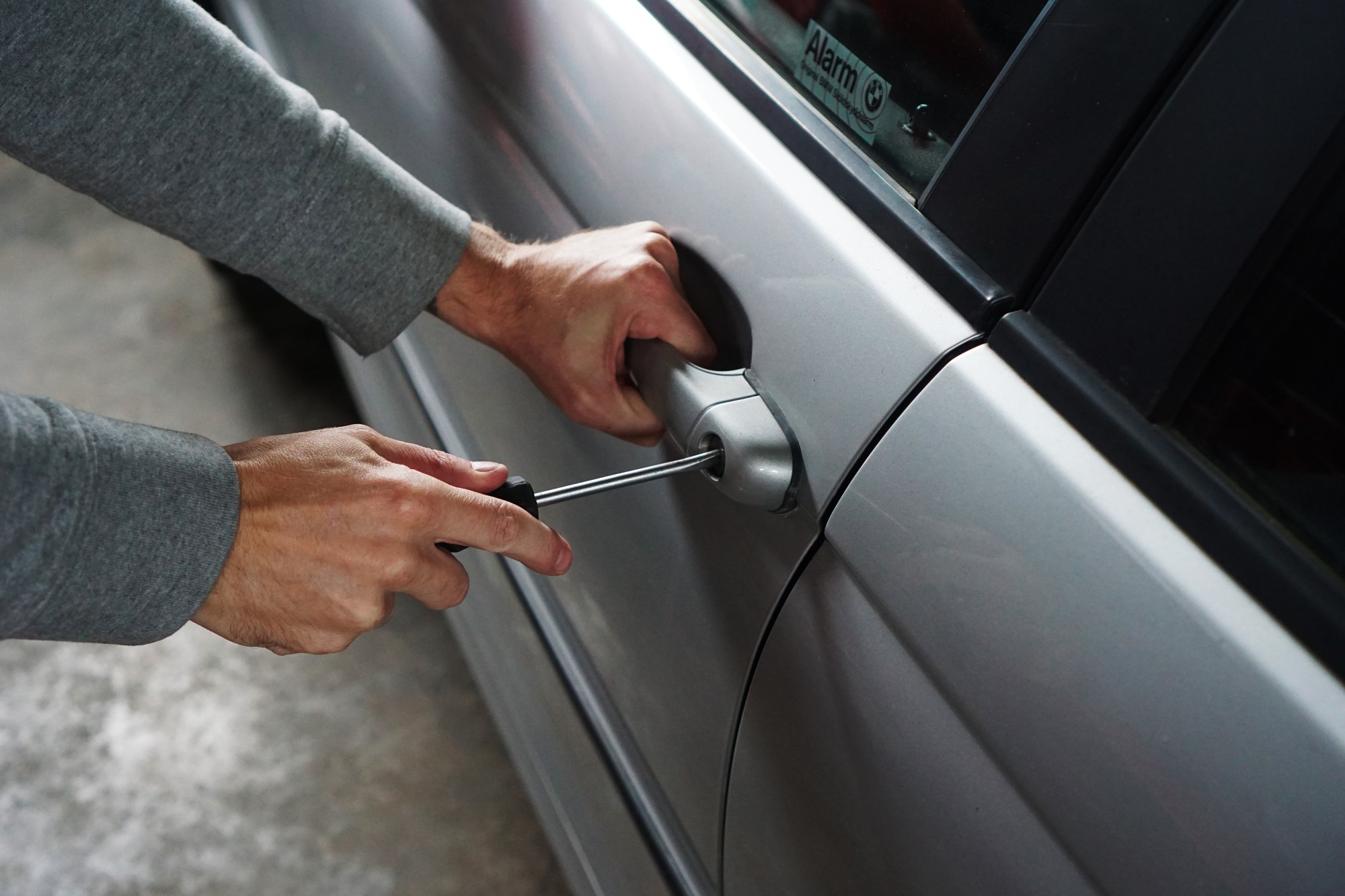
Car Safety on the Go: How Anti-Theft Devices Can Give You Peace of Mind in Virginia

As a car owner in Virginia, you take pride in your vehicle and want to ensure it is protected from theft. Car theft is a serious concern in the state, with thousands of vehicles stolen every year. The good news is that there are effective ways to prevent car theft, and one of the most reliable methods is by installing an anti-theft device. In this article, we will explore the benefits of anti-theft devices, how they work, and what you should look for when selecting one for your car.

Car theft is a significant problem in Virginia, with over 10,000 vehicles stolen in the state each year. The monetary loss from these thefts is staggering, with an estimated $200 million in losses annually. The emotional toll of having your car stolen can be just as devastating, leaving you feeling vulnerable and frustrated. However, by taking proactive steps to secure your vehicle, you can significantly reduce the risk of theft.

One of the most effective ways to prevent car theft is by installing an anti-theft device. These devices are designed to prevent thieves from stealing your car by making it difficult or impossible for them to hotwire or drive away with your vehicle. Anti-theft devices come in various forms, including steering wheel locks, brake pedal locks, and electronic immobilizers. Some devices are designed to be visible, while others are hidden from view.

When shopping for an anti-theft device, you want to look for one that is sturdy and well-made. A good anti-theft device should be difficult to tamper with or break. You also want to consider the level of convenience the device offers. Some anti-theft devices require you to remove them every time you park your car, while others remain on your vehicle at all times. Consider your lifestyle and how often you park your car in high-risk areas when selecting a device.

Another important consideration when selecting an anti-theft device is compatibility. Not all anti-theft devices are compatible with every type of vehicle. Before purchasing a device, make sure it is designed to work with your car’s make and model. You can usually find this information on the manufacturer’s website or by contacting their customer support team.

In addition to preventing theft, anti-theft devices can also help lower your car insurance premiums. Many insurance companies offer discounts to drivers who have anti-theft devices installed in their vehicles. This is because anti-theft devices reduce the risk of theft, which in turn reduces the likelihood of the insurance company having to pay out a claim.

There are several types of anti-theft devices available on the market, each with its own unique features and benefits. Steering wheel locks are one popular option. These devices attach to your steering wheel and prevent thieves from turning it. They are easy to install and can be removed when you get back into your car. Brake pedal locks are another option. These devices attach to your brake pedal and prevent thieves from driving away with your car.

Electronic immobilizers are a more advanced type of anti-theft device. These devices use a computer chip to prevent your car from starting unless the correct key or code is entered. They are highly effective and can be integrated into your car’s existing security system. Some anti-theft devices also come with additional features, such as GPS tracking and alarms. These features can provide an extra layer of protection and help you locate your car if it is stolen.

When installing an anti-theft device, it’s essential to follow the manufacturer’s instructions carefully. Some devices require professional installation, while others can be installed at home. Make sure you understand how to use the device correctly and that it is properly secured to your vehicle.

In Virginia, there are also specific laws and regulations regarding anti-theft devices. For example, some devices may be required to meet certain safety standards or be approved by the state’s Department of Motor Vehicles. Be sure to check with your local authorities to ensure the device you choose meets all relevant requirements.

In addition to installing an anti-theft device, there are other steps you can take to prevent car theft. Always lock your car and keep valuables out of sight. Don’t leave your car unattended in high-risk areas, such as parking garages or isolated streets. You should also keep your car in a garage or well-lit area whenever possible.

By taking proactive steps to secure your vehicle, you can significantly reduce the risk of theft. Anti-theft devices are a valuable investment for any car owner in Virginia. They offer peace of mind and can help prevent the financial and emotional loss associated with car theft. When selecting an anti-theft device, consider factors such as compatibility, convenience, and effectiveness. With the right device and a little common sense, you can protect your car and enjoy driving with confidence.

Furthermore, it’s worth noting that anti-theft devices can also be used in conjunction with other car security measures. For example, you can use a car alarm in combination with an anti-theft device to provide an extra layer of protection. Car alarms can alert you and others to potential theft, while anti-theft devices can prevent thieves from making off with your vehicle.

As technology continues to advance, we can expect to see even more sophisticated anti-theft devices on the market. Some devices are already being developed that use artificial intelligence and machine learning to detect and prevent car theft. These devices may be able to detect suspicious activity and alert the authorities or the car’s owner.

The cost of an anti-theft device can vary widely, depending on the type and complexity of the device. Some devices can be purchased for under $100, while others may cost several hundred dollars. While the cost may seem significant, it’s essential to consider the potential cost of losing your car to theft. The average cost of replacing a stolen car is over $10,000, making an anti-theft device a worthwhile investment.

If you’re concerned about car theft in Virginia, you’re not alone. Many car owners in the state take steps to protect their vehicles, from parking in well-lit areas to using anti-theft devices. By taking proactive steps to secure your vehicle, you can reduce the risk of theft and enjoy driving with confidence.

In conclusion, anti-theft devices are an effective way to prevent car theft in Virginia. They offer a range of benefits, from preventing theft to lowering car insurance premiums. When selecting an anti-theft device, consider factors such as compatibility, convenience, and effectiveness. With the right device and a little common sense, you can protect your car and enjoy driving with peace of mind. Whether you’re a seasoned car owner or just starting out, investing in an anti-theft device is a smart decision that can pay off in the long run.

The Ultimate Guide to

How I Achieved Maximum Success with

The Best Advice About I’ve Ever Written

Tips to Consider When Selecting Preschool

Choosing the right preschool for a child is one of the most important decisions a parent can make, as it sets the foundation for a child’s lifelong learning and development. Preschool is not just about learning letters, numbers, and colors?it’s a space where children begin to develop social skills, emotional awareness, independence, and cognitive abilities. Parents often feel overwhelmed by the array of choices available, from public to private institutions, play-based to academic-focused curriculums, and everything in between. Making the right choice requires careful consideration of various factors that can significantly impact a child’s early experiences and readiness for future educational stages. Each child has unique needs, and the ideal preschool should nurture those needs while also supporting the broader goals of early childhood education. Taking time to assess these considerations can help ensure that children receive a positive, supportive, and enriching start to their educational journey.

One of the most critical factors to consider when choosing a preschool is the quality and approach of the curriculum and teaching philosophy. Different preschools adopt different teaching styles, such as Montessori, Reggio Emilia, Waldorf, play-based, or academic-based programs. Some focus more on child-led activities, promoting creativity and exploration, while others have structured lesson plans with more emphasis on academic readiness. It is essential to understand the teaching approach and determine whether it aligns with your values and the needs of your child. For instance, if a child thrives in structured environments, a more academically oriented preschool might be suitable. On the other hand, if a child is very active and curious, a play-based or experiential learning environment might better nurture their natural instincts. Additionally, parents should examine how the curriculum incorporates social-emotional learning, critical thinking, and problem-solving, as these are crucial aspects of early childhood development. Visiting the school, observing classes, and talking to teachers can provide valuable insights into how effectively the curriculum is implemented.

The qualifications, experience, and attitude of the teaching staff are another significant factor when choosing a preschool. Teachers play a vital role in shaping a child’s early learning experiences and emotional well-being. Therefore, it is important to evaluate whether the teachers have proper training in early childhood education and whether they demonstrate a genuine passion for working with young children. Beyond credentials, their demeanor, patience, communication skills, and ability to connect with children are all essential attributes. A nurturing and enthusiastic teacher can inspire a love for learning and create a safe and supportive environment for growth. It is also helpful to understand the teacher-to-student ratio in each classroom, as smaller ratios often allow for more individual attention and stronger relationships between children and educators. Engaging with teachers during visits or open house events can offer insights into their teaching methods, responsiveness to children’s needs, and collaboration with parents.

The school environment and facilities also play a crucial role in determining whether a preschool is the right fit. A well-designed, safe, and stimulating environment can encourage exploration, creativity, and learning. Classrooms should be clean, well-organized, and stocked with age-appropriate learning materials and toys. Outdoor play areas should be safe, spacious, and equipped with facilities that promote physical development and social interaction. Additionally, the school’s safety policies and hygiene practices should meet high standards to ensure children’s health and security. It is also important to assess whether the school environment fosters inclusivity and respect for diversity, which helps children learn to appreciate differences and develop empathy. A welcoming and child-friendly atmosphere where students feel comfortable can significantly affect their willingness to engage, learn, and form relationships with peers and teachers.

Another key consideration when selecting a preschool is the level of parental involvement and communication encouraged by the institution. A strong partnership between parents and educators supports a child’s development both at home and in the classroom. Effective communication allows parents to stay informed about their child’s progress, behavior, and any concerns that may arise. Some preschools have regular parent-teacher conferences, newsletters, apps for daily updates, and even family events that strengthen the school community. When schools prioritize open communication, it helps parents feel more involved and reassured about their child’s well-being. Furthermore, schools that welcome parental input and encourage family participation tend to create a more collaborative and nurturing learning environment. Parents should ask about the school’s communication practices and evaluate whether the level of transparency and accessibility meets their expectations.

– Getting Started & Next Steps

A Beginners Guide To

What Almost No One Knows About

The Hidden Dangers of Asbestos: Why Asbestos Testing San Antonio is Crucial

Asbestos is a group of naturally occurring minerals that were once widely used in construction materials due to their durability, fire-resistance, and insulation properties. However, it has been proven that asbestos exposure can lead to serious health problems, including mesothelioma, lung cancer, and asbestosis. As a result, asbestos testing San Antonio has become a crucial step in ensuring the safety of buildings and homes.

Asbestos was commonly used in building materials such as insulation, flooring, roofing, and ceiling tiles. It was also used in automotive brake pads, clutch facings, and gaskets. The widespread use of asbestos in construction and manufacturing has left many buildings and homes contaminated with the toxic mineral. When asbestos is disturbed or damaged, it releases tiny fibers into the air, which can be inhaled and cause serious health problems.

The dangers of asbestos exposure are well-documented. Inhaling asbestos fibers can cause scarring and inflammation in the lungs, leading to chronic respiratory problems and increased risk of lung cancer. Mesothelioma, a rare and aggressive form of cancer, is also linked to asbestos exposure. The latency period for asbestos-related diseases can be decades, making it difficult to diagnose and treat these conditions.

Asbestos testing San Antonio is essential for identifying and mitigating the risks associated with asbestos exposure. There are several types of asbestos testing, including:

1. Visual Inspection: A trained inspector visually examines the building or home for signs of asbestos-containing materials, such as damaged or deteriorated insulation, flooring, or ceiling tiles.
2. Sampling: A sample of the suspected asbestos-containing material is taken and sent to a laboratory for analysis.
3. Air Testing: Air samples are collected and analyzed to detect the presence of asbestos fibers in the air.
4. X-Ray Fluorescence (XRF) Testing: This non-destructive testing method uses X-rays to analyze the elemental composition of the material.

Asbestos testing San Antonio can be performed by trained professionals, including industrial hygienists, environmental consultants, and asbestos abatement contractors. The testing process typically involves:

1. Pre-testing preparation: The area is cleared of any debris or obstructions, and occupants are evacuated to ensure their safety.
2. Sampling: Samples are collected using specialized equipment and techniques.
3. Laboratory analysis: The samples are sent to a laboratory for analysis, which typically takes several days to several weeks.
4. Reporting: The laboratory reports the results of the analysis, including the presence or absence of asbestos and the concentration of fibers.

The results of asbestos testing San Antonio can have significant implications for building occupants and owners. If asbestos is detected, it may be necessary to take corrective action to mitigate the risks associated with exposure. This may include:

1. Abatement: Removing or encapsulating asbestos-containing materials to prevent further exposure.
2. Encapsulation: Coating or sealing asbestos-containing materials to prevent fibers from becoming airborne.
3. Repair: Repairing damaged or deteriorated asbestos-containing materials to prevent further exposure.
4. Replacement: Replacing asbestos-containing materials with safer alternatives.

In conclusion, asbestos testing San Antonio is a crucial step in ensuring the safety of buildings and homes. The risks associated with asbestos exposure are well-documented, and early detection and mitigation can prevent serious health problems. By understanding the importance of asbestos testing and the testing process, you can take steps to protect yourself and your loved ones from the hidden dangers of asbestos.

Case Study: My Experience With

Why People Think Are A Good Idea