
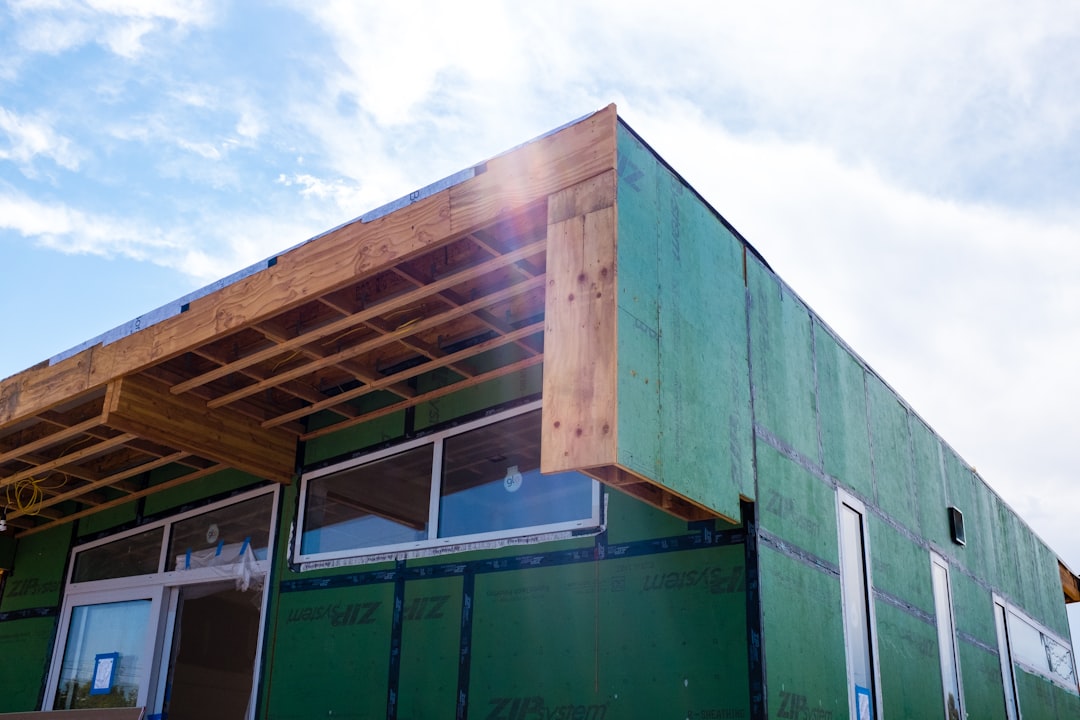
When constructing a new roof, a homeowner has several different tasks to perform, but there are some steps that must be completed properly to avoid mistakes. These steps should be completed before the installation of a new roof, so read on for more information. First, prepare a ladder. You will need it to climb the ridge. Then, run the ladder over the edge of the first course of shingles, which should be 12 inches wide. When reaching the peak of the roof, lay two nails on each side of the shingle.
After the shingles are installed, a self-stick ice-and-water underlayment is applied. It provides an added layer of protection against windblown rain and ice dams. To install this underlayment, first remove the plastic backing. Next, place a piece of self-stick underlayment over the edge of the underlayment, and then pull it taut over the edges of the rafters. After the underlayment is laid, a second layer is applied.
Before placing shingles on the roof, install the underlayment. The underlayment must be 28-gauge galvanized metal to prevent corrosion and staining. Then, attach the first shingle to the ridge with five nails. The next step is to install the ice-water protector membrane, or eave flashing. The shingles should be fastened to the eave and sloped towards the center of the valley. When installing shingles, it is important to ensure that the adhesive strip of the starter shingle is facing upward to avoid moss and algae growth.
Another step in a roof installation involves taking the old roof off. Then, you need to cut it in half and install the new one on top of it. This will ensure that the shingles do not stick out too far and are square with the roof. Then, you have to remove all of the old nails before you begin. If you’re removing an existing roof, use tarps to protect the landscaping and prevent a huge mess from raining down. Remember to follow all the guidelines of the building code and the building inspector to avoid costly mistakes.
Before installing the roof, you need to make sure that the attic is properly vented. This is crucial to ensure the proper performance of the roof. It should be properly sealed to avoid water entering the attic. Afterward, you need to apply the felt paper to the top. Ensure that the seams are level and do not overlap. If the seams are not straight, you will need to trim them with a circular saw. This step will prevent the shingles from sagging.
After preparing the roof, you need to install the underlayment. This is a vital step. The underlayment should be applied with roofing cap nails. The felt paper should overlap the underlayment on one edge. This will prevent water from entering the fascia. Before nailing the underlayment, you should make sure that the underlayment is not sticking up. It is necessary to use the underlayment to prevent leaks.